


Archer Assassin Shooting Game
4.51.03K Reviews
App Specs
- Version
- 9.7
- Updated On
- License
- Free
- Downloads
- 10,000,000+
- Developer
- Team AS Studio Pvt Ltd
- Categories
- Strategy
- Platform
- Android
Screenshots

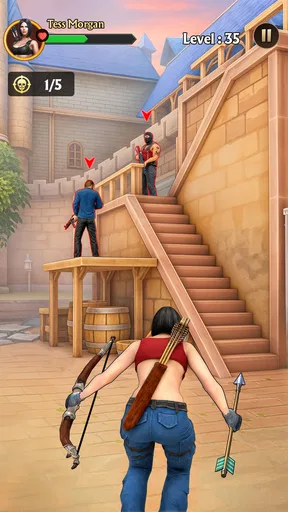
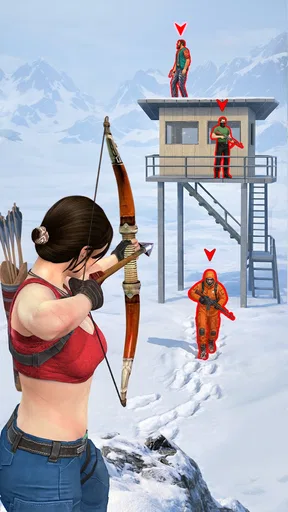
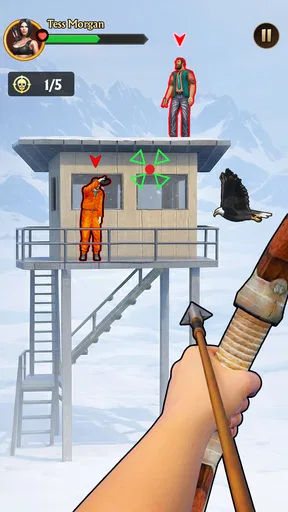
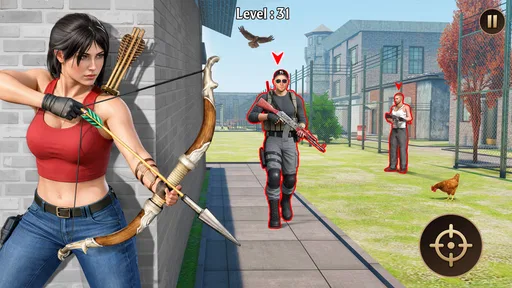

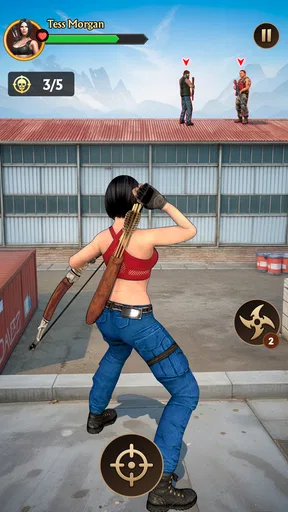
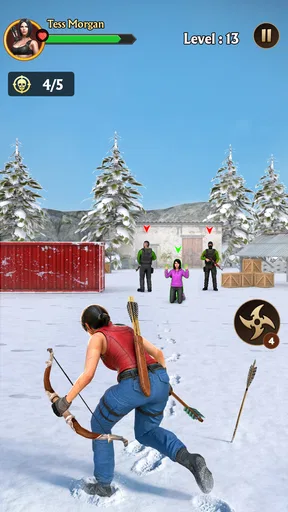
 Analysis by AppCompare
My first impression of Archer Assassin Shooting Game was that it wants to make archery feel immediate rather than ceremonial. I am not dealing with a slow historical simulation or a large role-playing adventure here. This is a free strategy game built around the simple satisfaction of lining up a shot, releasing it, and watching a target fall. That directness makes it easy to understand within a few minutes, but the better question is whether the presentation gives the repeated shooting enough character to stay interesting.
After spending time with it, I found a compact mobile experience with a clear identity: tense aiming, quick decisions, and a darker assassin theme wrapped around archery challenges. The game is available for Android users on version 7.0 or later, and it has attracted over ten million installs. Its average score of 4.5 from around 152 thousand ratings suggests that the straightforward formula has found a sizeable audience, although popularity alone does not make it the right choice for every player.
How the game turns archery into a playable mood
I find the game’s appeal comes from how it turns a familiar bow shot into a small moment of suspense: I have to read the scene before committing. That focused mood is a better guide to whether it suits you than the assassin theme alone. From there, the key question is how clearly its presentation supports that deliberate rhythm.
A first impression built around one clear action
The strongest part of the opening experience is its clarity. I do not need to learn a complicated inventory, memorize a large skill tree, or understand a long story before taking part. The central task is recognizable immediately: aim an archer, judge the shot, and try to eliminate the intended target. That makes the game particularly comfortable for short sessions when I want something active but do not want to invest time in a sprawling campaign.
The assassin framing gives that familiar archery action a slightly more focused mood. Instead of presenting every shot as a cheerful target exercise, the game leans toward stealth, danger, and precision. That change in framing matters because it encourages me to think about the shot as a decision, not merely as a tap. Even when the underlying interaction remains simple, the setting makes a successful hit feel more deliberate.
I also appreciate that the game does not pretend to be something it is not. It is not trying to replace a full console-style action game, and its appeal comes from the small loop of aiming and firing. Players who enjoy quick puzzle-like challenges can settle in quickly. Players expecting a deep simulation of bows, arrows, wind, or historical combat may find the experience lighter than the theme initially suggests.
The free entry point is useful for testing that distinction. I can try the basic experience without paying first, while optional purchases range from $1.99 to $12.99 per item. That makes it sensible to play for a while before deciding whether spending adds enough value. Because the game has a Mature 17+ content rating, it is also better suited to adult players than to children looking for a harmless cartoon archery title.
Worth Reading Before You Choose

Flipboard Shows What News Apps Must Do Beyond the Feed

Switching to Android Auto Means Rethinking Your Driving Routine

Google Calendar Makes a Crowded Week Easier to Manage

Ludo King Makes the Most of the Minutes Between Plans

Baby Panda World Brings Quick Play to Modern Phones, but Its Game Library Feels Busy

ESPN’s Live Game View Makes Following Close Games Easier
A visual language that supports the assassin setting
The art direction works best when it keeps attention on the target and the path of the arrow. The visual language is built around the contrast between a controlled shooter and a threatening environment. That contrast gives each level a sense of preparation: I am not simply launching arrows at random objects, but trying to read a situation and find the moment when a shot makes sense.
This is where the setting and the mechanics reinforce one another. A bright, playful presentation would make mistakes feel disposable. The darker assassin tone makes me more conscious of exposure, timing, and the consequences of releasing too early. Even without needing a large narrative, the atmosphere supplies a reason to slow down for a second before acting.
One useful habit is to treat the screen as a composition rather than focusing only on the target. I look at the available space, the angle of the shot, and any visual obstruction before touching the aiming controls. That approach is more reliable than reacting to the most obvious object on screen. It also makes the game feel more strategic, which is important because the category label promises more than a reflex-only shooting gallery.
The world design is not the reason to choose this game over every other mobile archery title, but it gives the simple premise a recognizable tone. The assassin idea creates a coherent bridge between appearance and action. When that connection works, the game feels more purposeful than a collection of unrelated target screens.
Sound and rhythm make short sessions work
The pacing is one of the most important parts of the experience. A game based on repeated shots can become tiring if every attempt takes too long or if the action never gives me a chance to reset my attention. Here, the rhythm is better understood as a sequence of brief decisions: observe, aim, release, assess, and prepare for the next challenge.
That structure suits mobile play very well. I can imagine opening it while waiting for a bus, taking a few attempts during a break, or playing several stages when I have a little more time. The game does not require the same mental commitment as a long strategy campaign. Its concentration comes in small bursts, which is exactly why the shooting loop can fit into an ordinary day.
The sound design contributes to that rhythm by giving the action a sense of punctuation. A shot should feel like an event, not like a silent gesture, and the assassin mood benefits from audio that keeps the atmosphere focused rather than celebratory. I found that the experience works best when I pay attention to the pause before firing. That brief silence or restraint is part of the tension; rushing through every shot removes some of the personality from the presentation.
There is a trade-off here. Players who need a rich soundtrack, extensive dialogue, or a large cinematic world may consider the audio and pacing too restrained. This is not a narrative adventure that uses music to carry an emotional plot. Its sound and tempo exist mainly to sharpen the shooting loop. That is a strength for quick play, but a limitation for anyone seeking a more elaborate audiovisual journey.
For a better session, I would avoid treating every level as a race. The fastest possible release is not always the most satisfying or reliable one. I use the opening moments to identify the intended line, then make one controlled attempt instead of repeatedly tapping in panic. This small change makes the game feel more strategic and reduces the frustration that comes from confusing speed with skill.
Where the strategy actually comes from
The strategic element is not about managing a huge army or building a complicated economy. It comes from choosing when and where to shoot. That distinction is important. The game suits people who enjoy compact tactical problems, but it will not satisfy someone looking for a grand strategy system with diplomacy, resource chains, or long-term planning.
I found the best way to approach a stage is to separate information gathering from execution. First I inspect the scene and consider the safest useful line. Then I commit to the shot. This two-step workflow sounds basic, but it prevents the common mobile habit of firing immediately and hoping the result works. It also gives the game’s visual design more influence over play, because I am reading the environment before acting.
Another practical tip is to judge a failed attempt by its cause rather than simply repeating it. If the angle was wrong, I adjust the aim. If I released too soon, I change the timing. If I focused on the target and ignored the surrounding layout, I reassess the whole screen. This turns retries into learning instead of making them feel like identical guesses.
That is the game’s main mechanical strength: the controls are simple enough to invite anyone in, while the situation around the shot can still ask for patience. The simplicity also creates the main weakness. Once I understand the basic interaction, the long-term appeal depends heavily on how much variety the individual challenges provide. Players who need constant new systems may eventually want a deeper archery or strategy game.
How it compares with familiar alternatives
Compared with a traditional tower-defense game, this title is much more personal and immediate. I am controlling the crucial attack rather than arranging a defensive network and watching units operate. That makes it a better choice when I want direct involvement and quick feedback, but a worse one if I enjoy planning several layers of strategy before the action begins.
Compared with a physics-heavy archery simulator, it is easier to pick up and less demanding as a technical exercise. I do not approach it primarily to study realistic bow behavior. I approach it for the combination of aiming, timing, and assassin atmosphere. Someone who wants detailed equipment tuning or a more authentic sporting experience should look elsewhere.
It also differs from a large action role-playing game because the world is not the main destination. I am not opening it to explore a huge map, follow a complex character arc, or collect an elaborate set of companions. The game is strongest when I want one focused activity. That narrow purpose is not a flaw by itself; it simply defines the audience clearly.
For me, the most useful comparison is with other casual shooting games. Many of those rely almost entirely on rapid reactions. This one works better when I slow down and interpret the scene. If I enjoy making a careful attempt and improving after a mistake, the strategy label feels justified. If I only want constant movement and instant rewards, the measured rhythm may feel too restrained.
What the free model means in everyday use
Being free makes the initial decision easy, especially for players who are unsure whether an assassin-themed archery game will hold their attention. I would start without spending anything, learn whether the aiming loop feels comfortable, and only then consider the optional purchases. The listed purchase range is noticeable enough that impulsive buying is worth avoiding until I know how often I will return.
This is also where the game’s short-session design matters. A free game can become inconvenient if it demands constant attention or turns every brief visit into a payment prompt. My recommendation is to judge the experience by its uninterrupted basic loop first. If the free portion already gives you enjoyable practice and you do not feel pressured to accelerate, it may be a good casual addition. If progress feels meaningful only after spending, its value becomes much less convincing.
The age rating should influence the download decision as well. Mature 17+ is not a minor detail for families sharing a device. Parents looking for a child-friendly archery game should choose something designed for a younger audience instead. Adults who are comfortable with the assassin premise can evaluate it on its mechanics and mood, but the rating makes it unsuitable as a default recommendation for children.
Who will enjoy it, and who should skip it
I would recommend this game to an adult player who likes compact tactical actions, archery themes, and dark presentation without needing a large story. It is especially suitable for someone who enjoys replaying a challenge to improve the line of a shot. The controls are approachable, and the central loop is easy to fit around work, travel, or a short evening break.
It is also a reasonable choice for players who usually find strategy games intimidating. The game presents strategy through small decisions instead of a complicated rulebook. You can begin with the obvious goal and gradually become more deliberate about timing, positioning, and the order in which you handle a scene.
I would skip it if my priority were deep long-term planning, competitive multiplayer, a realistic archery simulation, or a story-driven campaign. The assassin atmosphere may attract me initially, but the game’s real focus remains the shot itself. Anyone expecting a broad stealth adventure could feel that the setting is being used to frame the action rather than to deliver a fully developed world.
I would also hesitate to recommend it to players who dislike retries. Precision games naturally ask for repeated attempts, and the experience is more enjoyable when failure provides information. If I want a relaxing game in which nearly every action succeeds, this is probably not the best fit, even though the basic controls are easy to understand.
Small habits that improve the experience
My first practical suggestion is to play with a deliberate pause before every important shot. That pause lets me read the visual layout and prevents the most common mistake: aiming at the obvious target while ignoring the route the arrow must take. The game becomes more satisfying when I treat each screen as a compact problem rather than a prompt to fire immediately.
Second, I would use short sessions when learning the game instead of forcing a long marathon. The rhythm depends on concentration, and repeated rushed attempts can make a simple challenge feel unfair. A few focused tries are more useful than continuing after I have stopped observing carefully.
Third, I would separate personal skill from the game’s presentation. A dramatic assassin mood can make a failed shot feel more serious, but the correct response is still analytical: check the angle, timing, and visual information. This mindset keeps the atmosphere enjoyable without allowing it to turn every mistake into frustration.
Finally, I would decide on purchases only after identifying what I actually want from the game. If I return for the shooting itself, the free experience may already be enough for casual use. If I want to continue playing regularly and an optional item clearly improves that routine, I can make that choice deliberately. The best way to enjoy this game is to let precision, not spending, define the experience.
My atmosphere verdict
Archer Assassin Shooting Game succeeds because its art direction, sound, and pacing point toward the same idea: a controlled shot made under pressure. The world does not need a huge amount of exposition to establish its mood. The assassin framing gives the archery mechanic a darker purpose, while the measured rhythm encourages me to observe before I act.
Its limitations are equally clear. This is not a deep strategy empire, a realistic bow simulator, or a full stealth adventure. The experience depends on how much enjoyment I get from repeating a focused shooting loop and improving my decisions. Players who need broad progression or constant mechanical novelty may outgrow it, while players who like concise tactical challenges can find the restraint refreshing.
Team AS Studio Pvt Ltd places the game in the strategy category, and that description makes sense when strategy is understood as careful shot selection rather than large-scale planning. The current version is 9.5, and the game has been available since March 29, 2023. Those details matter less to me than the practical result: it is an accessible, mature-rated, free-to-start archery game with a distinct assassin mood and a clear use case for short, focused sessions.
My final recommendation is selective but positive. I would suggest trying it if you want a mobile game that turns a familiar bow-and-arrow action into a series of tense visual decisions. I would not present it as a replacement for a full strategy or adventure title. For the right player, though, its narrow focus is exactly the appeal: open it, read the scene, make the shot, and decide whether you can do it better next time.
Pros
- Simple controls make aiming and shooting easy to learn.
- Short missions are convenient for quick gaming sessions.
- Stealth-focused gameplay adds variety beyond basic shooting.
- Offline play is useful when you have no internet connection.
- Weapon upgrades provide a sense of progression over time.
Cons
- Repetitive objectives may reduce long-term enjoyment.
- Some levels can feel too easy after mastering the controls.
- Ads may interrupt gameplay or appear frequently between missions.
- Limited enemy variety makes encounters less challenging later on.
- Advanced upgrades may require considerable time or in-app purchases.
FAQs for Archer Assassin Shooting Game
What is Archer Assassin Shooting Game about?
Archer Assassin Shooting Game is an action-focused mobile game in which you control a skilled archer and eliminate enemy targets using carefully aimed shots. Levels generally combine stealth, timing, and precision, requiring you to observe enemy positions before releasing an arrow. As you progress, stages become more challenging and may introduce additional obstacles, moving targets, stronger opponents, or limited opportunities to attack.
Is Archer Assassin Shooting Game easy for beginners to play?
The basic controls are usually easy to understand, making the game accessible to new players. You typically aim by dragging or touching the screen and release to fire. However, completing later missions can require more patience and accuracy. Beginners should expect a short learning period while becoming familiar with aiming, arrow trajectories, enemy movement, and the best moment to take a shot.
Does Archer Assassin Shooting Game require an internet connection?
The game may support offline play for its main shooting levels, which is convenient when you are traveling or have limited access to mobile data. Nevertheless, some features can depend on an internet connection, including advertisements, cloud synchronization, special events, updates, or in-app purchases. It is best to launch the game online at least once and check which functions remain available offline.
Are there advertisements or in-app purchases in Archer Assassin Shooting Game?
Like many free-to-download mobile games, Archer Assassin Shooting Game may include advertisements and optional in-app purchases. Ads can appear between levels or after completing a mission, while rewarded videos may offer bonuses such as extra coins, upgrades, or another attempt. Purchases are generally intended to speed up progress or remove limitations, but they should not be necessary to understand the core gameplay.
What devices are compatible with Archer Assassin Shooting Game?
Compatibility depends on the version available through the Google Play Store or Apple App Store, as well as your device’s operating system and hardware. The game is designed for modern Android and iOS smartphones and tablets, but older devices may experience slower performance, longer loading times, or limited support. Before downloading, check the store listing for the required operating-system version and available storage space.


